
Logistics Tech: Inside Africa’s New AI Marketplace and Infrastructure Revolution
Emerging technology platforms are rapidly rewriting the rules of continental commerce. Persistent bottlenecks in logistics and cross-border payments have long stifled small businesses trying to expand globally.
According to a report by Vanguard News, “Emerging African technology startup, Africlana, has identified persistent barriers to cross-border trade as a major constraint to the growth of African businesses”. For years, these systemic gaps have left international consumers heavily reliant on fragmented, informal purchasing channels that routinely expose them to delivery uncertainties, high transaction friction, and a total lack of consumer protection.
To counter these structural vulnerabilities, forward-thinking startups are aggressively deploying next-generation technology. Forward-thinking innovators are building advanced Artificial Intelligence (AI) marketplaces explicitly designed to help small and medium-sized enterprises (SMEs) safely bypass traditional, fraudulent informal trade corridors. By utilizing machine learning algorithms, these new digital ecosystems can seamlessly implement rigorous, multi-layered seller verification protocols. Furthermore, AI-driven platforms provide intuitive product discovery and intelligent freight-matching capabilities that guarantee comprehensive, real-time shipment visibility from warehouse to final destination.
Inside the Digital Ecosystem: Tech-Driven Pillars
The rapid rise of AI marketplaces is redefining cross-border retail across Africa through three vital structural innovations:
- Intelligent Discovery: AI algorithms match diaspora buyer demands with authentic African products.
- Fraud Elimination: Automated escrow frameworks protect traders against rampant payment failures.
- Coordinated Freight: Software dynamically batches small shipments to dramatically lower logistics expenses.
Overcoming the Gridlock: The Push for Smart Infrastructure
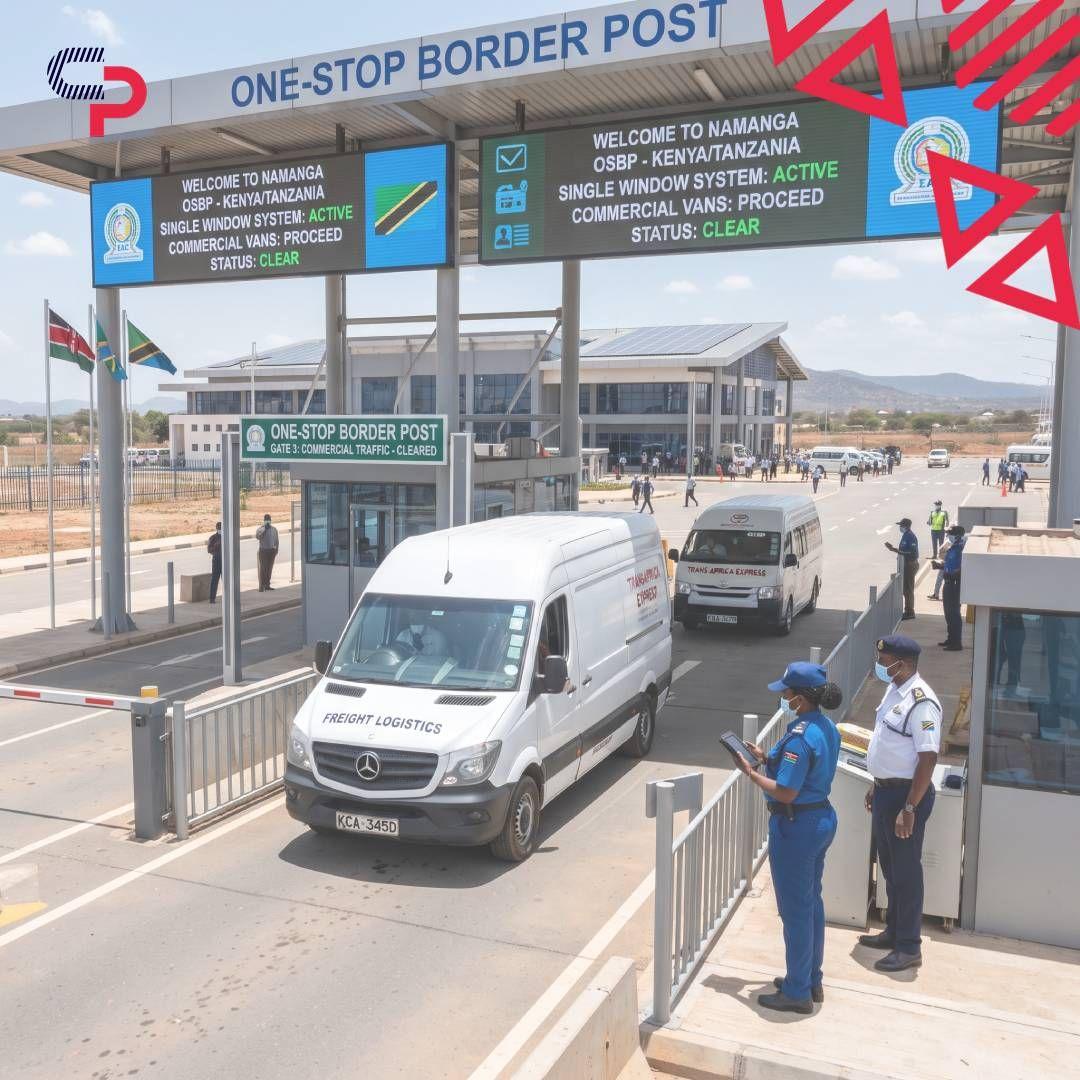
While software innovations effectively shield merchants from operational fraud, physical and regulatory friction points remain dense. Across regional trade corridors, active businesses continue to experience multi-day processing queues, and they frequently request faster physical border infrastructure alongside fully integrated digital single windows. Relying solely on private digital platforms is no longer sufficient; trading networks require unified, state-backed digital customs portals to eliminate bureaucratic delays entirely.
What is in it for You?
For ambitious entrepreneurs across Africa, this massive digital transition opens up a highly lucrative commercial window. The barriers to entry for international commerce are falling fast as verified platforms handle the complex logistics overhead. By aligning your business with secure payment networks like CPayant, you can instantly bypass traditional payment bottlenecks, secure cross-border transactions seamlessly, and launch a scalable African trade business today.
Ready to expand your business across Africa?
Join thousands of SMEs already using CPayant for seamless cross-border payments.